The Sainthood of Sarah Miles
3 hours ago








 Posts
All Comments
Posts
All Comments


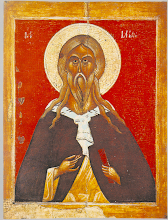
The rite in use among the Carmelites since about the middle of the twelfth century is known by the name of the Rite of the Holy Sepulchre, the Carmelite Rule, which was written about the year 1210, ordering the hermits of Mount Carmel to follow the approved custom of the Church, which in this instance meant the Patriarchal Church of Jerusalem: "Hi qui litteras noverunt et legere psalmos, per singulas horas eos dicant qui ex institutione sanctorum patrum et ecelesi approbata consuetudine ad horas singulas sunt deputati." This Rite of the Holy Sepulchre belonged to the Gallican family of the Roman Rite; it appears to have descended directly from the Parisian Rite, but to have undergone some modifications pointing to other sources. For, in the Sanctorale we find influences of Angers, in the proses traces of meridional sources, while the lessons and prayers on Holy Saturday are purely Roman. The fact is that most of the clerics who accompanied the Crusaders were of French nationality; some even belonged to the Chapter of Paris, as is proved by documentary evidence. Local influence, too, played an important part. The Temple itself, the Holy Sepulchre, the vicinity of the Mount of Olives, of Bethany, of Bethlehem, gave rise to magnificent ceremonies, connecting the principal events of the ecclesiastical year with the very localities where the various episodes of the work of Redemption has taken place.The Carmelite rite is still used by a few religious communities.
The priest is essentially a man who, in offering the Holy Sacrifice of the Mass, witnesses day after day to the mystery of the Heart of Jesus, opened by the soldier's lance and never closed. Your role, Spiritual Mothers, is not to look at the priest; it is, rather, to look with Him at the pierced Side of Jesus until, by the force of Love's irresistible attraction, the priest, and you with him, are drawn across the threshold of that wound, into the inner sanctuary of the Sacred Heart.

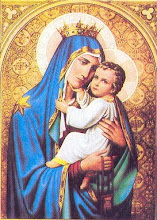
You must implore that good Mother to lend you her heart, that you may receive her Son there with the same dispositions as her own. You will explain to her that it touches her Son's glory to be put into a heart so sullied and inconstant as yours....But if she will come and dwell with you, in order to receive her Son, she can do so by the dominion which she has over hearts....You will ask her for her heart by these tender words: 'I take thee for my all. Give me thy heart, O Mary.' (True Devotion)