




 Posts
Posts


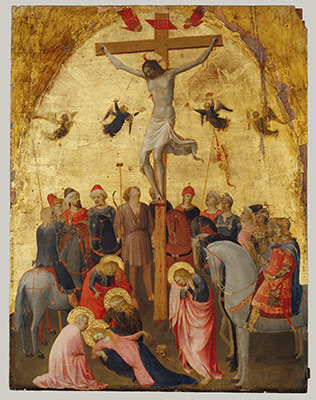
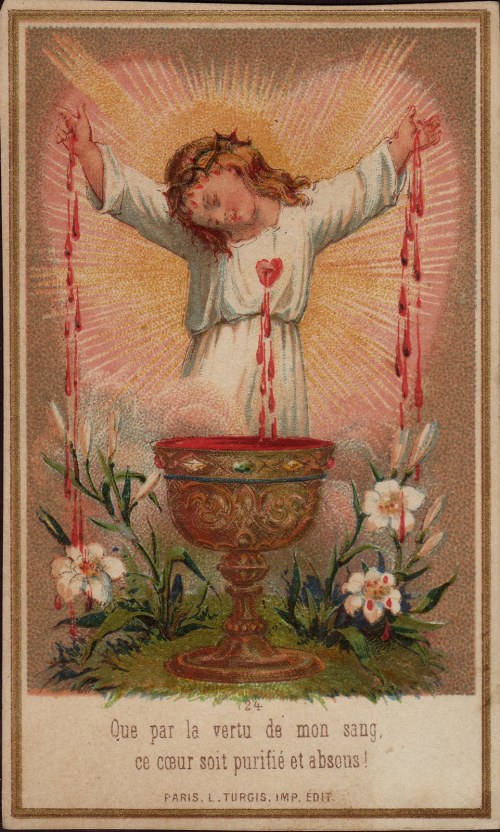
Most of us are repulsed by the Cross. We live in fear of suffering. We are willing to contemplate the Cross from a distance, willing to place it on our walls or to wear it on a chain over our hearts. It is quite another thing to be lifted up in its arms, to surrender to its embrace and to remain there naked, exposed and vulnerable. And yet, the saints are unanimous in testifying that for those who surrender to the embrace of the Cross and remain there, it becomes the Tree of Life, the Marriage Bed, and the Altar of Sacrifice.
My Yoke is Sweet
An ancient liturgical text describes the beginning of Holy Week as a ship coming into harbour. The Cross of Christ is our haven and our rest. Our Lord speaks to us and says: “Come to me, all you that labour, and are burdened, and I will refresh you. Take up my yoke upon you, and learn of me, because I am meek, and humble of heart: and you shall find rest to your souls. For my yoke is sweet and my burden light.” (Matthew 11:28-29).
The Will of the Father is Always Love
The sweet yoke of Jesus is fashioned from the wood of the Cross. Those whom He draws to Himself find rest with Him in the arms of the Cross. When we struggle and strain against the Cross, we condemn ourselves to a long and restless agony, saying with Job: “My heart is in turmoil and is never still” (Job 30:27). When we surrender to the embrace of the Cross, we rest with Jesus in the will of the Father. We discover that the will of the Father is always love, and so begin to pray: “Father, not my will, but Thine, be done” (Lk 22:42).
Tree of Life, Marriage Bed, and Altar
The Cross is the “tree that is planted beside flowing waters, that yields its fruit in due season and whose leaves never fade” (Psalm 1:3). Incandescent with the fire of the Holy Spirit, the Cross is the bush that Moses saw “burning and yet not consumed” (Exodus 3:2). The Cross is the marriage bed upon which Christ the Bridegroom and His Bride, the Church consummate their love. The Cross is the altar from which ascends a fragrant sacrifice: the immolation of the Lamb who takes away the sins of the world.
The Mass
How do we pass over from struggle to rest, from the tempest to the harbour? How do we pass over from the barren desert to the Tree of Life, from isolation to communion? How do we pass over from the threshold to the altar, and from the altar to God? By the Cross. Holy Week is the time of our great passover: from darkness to light, from sadness to joy, from time to eternity, from death to life. If you would leave behind the rot of your sins, and the darkness of untruth, and the horror of all that attacks innocence and outrages the Face of Love, then let yourself be drawn to the Cross. To each of us, and in every Mass, Our Lord offers the healing wood of the Cross. The Holy Sacrifice of the Mass is the place, and the means, and the price of our Passover; the Mass is the Church held in the embrace of the Cross. (Read more.)